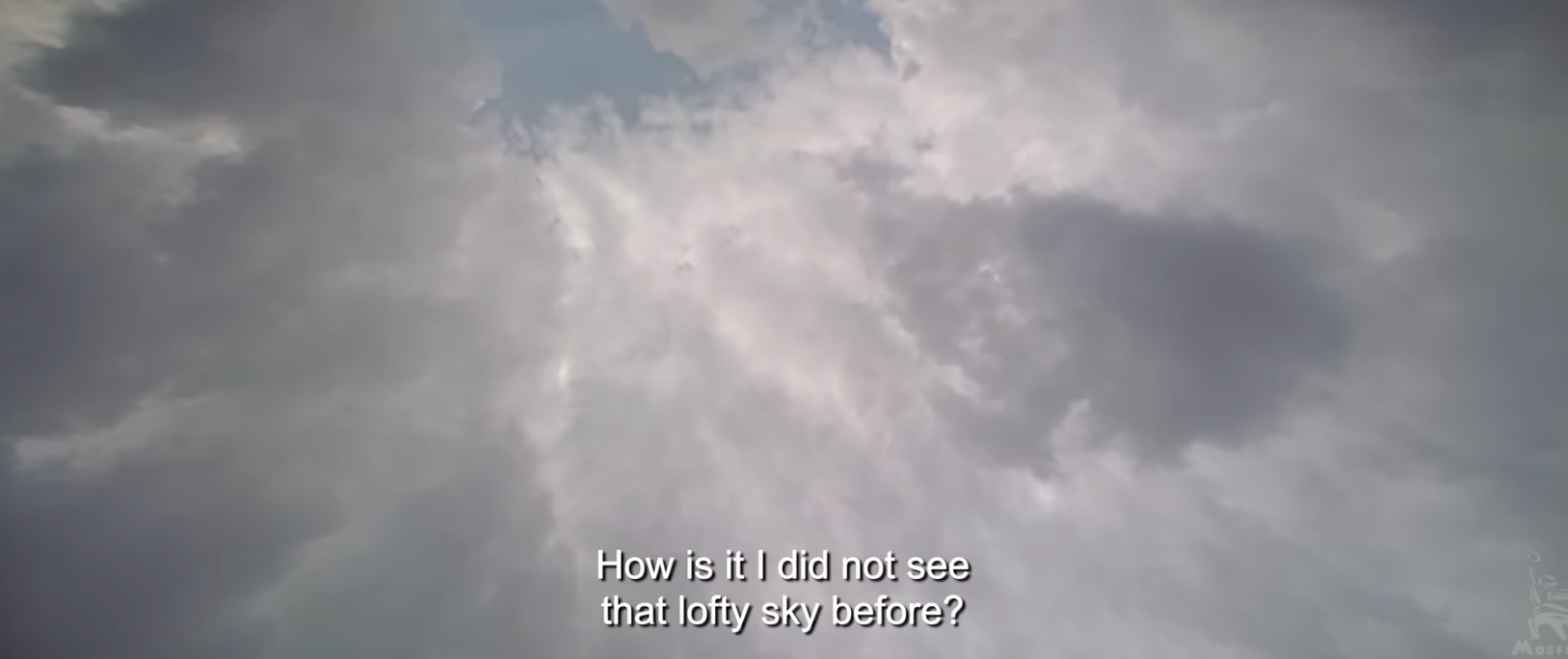
I previously wrote about how watching the 1966 Soviet film series inspired me to read War and Peace. These two scenes in particular are why I was moved to read this book. Tolstoy writes about the war’s effect on the individual: Nikolai has a romanticized idea of war and Andrei longs for the glory of war.
Part Two, XIX
“Who are they? Whey are they running? Can it be they’re running to me? Can it be? And why? To kill me? Me, whom everybody loves so?” He remembered his mother’s love for him, his family’s, his friends’, and the enemy’s intention to kill him seemed impossible. “But maybe even — kill me!” He stood for more than ten seconds without moving from the spot or understanding his situation. The first Frenchman with the Hooke nose came so close that the expression on his face could already be seen. And the flushed alien physiognomy of this man who, with lowered bayonet, holding his breath, was running lightly towards him, frightened Rostov. (189)
Part Three, XIX
To him at that moment all the interests that occupied Napoleon seemed so insignificant, his hero himself seemed so petty to him, with his petty vanity and joy in victory, compared with that lofty, just, and kindly sky, which he had seen and understood, that he was unable to answer him.
Then, too, everything seemed so useless and insignificant compared with that stern and majestic way of thinking called up in him by weakness from loss of blood, suffering, and the expectation of imminent death. Looking into Napoleon’s eyes, Prince Andrei thought about the insignificance of grandeur, about the insignificance of life, the meaning of which no one could understand and about the still greater insignificance of death, the meaning of which no one among the living could understand or explain. (293)
 scarr
scarr 